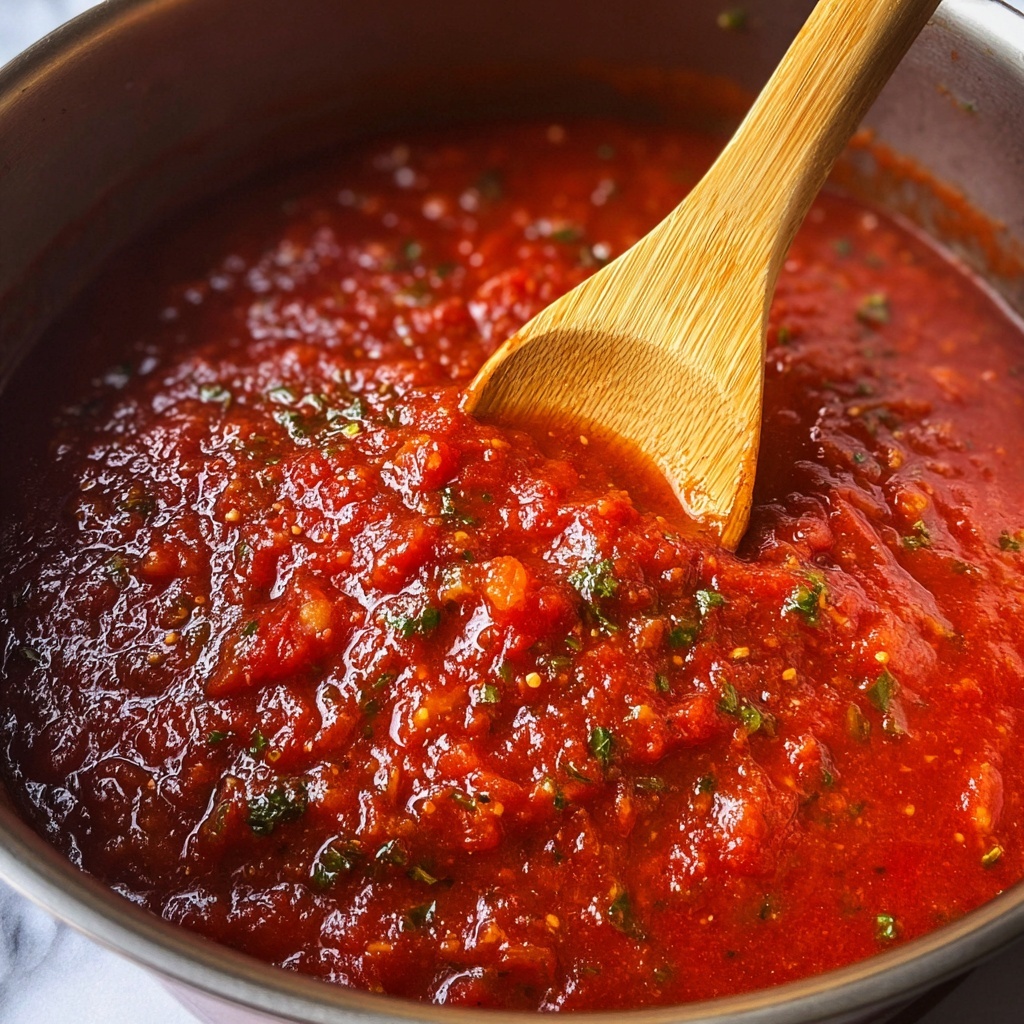
If you have ever wanted to create a truly classic, rich, and flavorful tomato sauce right at home, this Homemade Marinara Sauce Recipe will quickly become your go-to. Bursting with the perfect balance of garlic, herbs, and tomatoes, it transforms simple pantry staples into a Mediterranean masterpiece. Whether you’re tossing it with pasta, slathering it on pizza, or using it as a dip, this sauce delivers warmth and authenticity in every bite, making your dishes sing with fresh, vibrant flavors.
Ingredients You’ll Need
Good homemade marinara starts with simple, accessible ingredients that each play a crucial role in building depth and freshness. These staples bring a harmonious taste, beautiful color, and a smooth, satisfying texture that’s hard to beat.
- Olive oil: Adds richness and is key for sautéing to bring out the flavors of aromatics.
- Small onion, finely chopped: Provides sweetness and a subtle base flavor.
- Garlic cloves, minced: Infuses the sauce with a warm, pungent aroma that’s essential for authentic taste.
- 28-ounce can crushed tomatoes: Forms the hearty, fresh tomato foundation of the marinara.
- Tomato paste: Intensifies the tomato flavor and adds body.
- Dried oregano: Offers a classic herbal note that complements tomato perfectly.
- Dried basil: Brings a sweet, peppery flavor that’s essential in Italian sauces.
- Salt: Enhances all the natural flavors and balances acidity.
- Black pepper: Gives a hint of warmth and mild spice.
- Red pepper flakes (optional): Adds a subtle kick if you like a little heat.
- Sugar (optional): Softens tomato acidity when needed for a rounder taste.
- Fresh parsley or basil (for garnish): Adds a fresh, bright finish and visually stunning touch.
How to Make Homemade Marinara Sauce Recipe
Step 1: Sauté Aromatics
Start by heating olive oil in a large saucepan over medium heat. Gently soften the finely chopped onion by sautéing it for about 5 to 6 minutes until it becomes translucent and tender. This step helps develop a subtly sweet base that will carry the rest of the sauce beautifully. Next, add the minced garlic and cook for just about a minute, stirring continuously to prevent any burning. This quick sauté releases the garlic’s fragrant essence without bitterness, setting the stage for your sauce’s bold flavor profile.
Step 2: Enhance Tomato Flavor
Stir the tomato paste into the pan and let it cook for about a minute. This brief cooking deepens the tomato flavor through caramelization, adding a slightly smoky richness that enhances the overall complexity of your sauce. The longer you cook tomato paste at this point, the richer the flavor concentration becomes, so do not rush this step.
Step 3: Combine Main Ingredients and Seasonings
Now pour in the crushed tomatoes along with dried oregano, dried basil, salt, and black pepper. If you want a little extra heat, sprinkle in the red pepper flakes. Stir everything together well, bringing all the flavors to a warm marriage. The quality of the crushed tomatoes really shines here, so choosing a good brand or even better, fresh, crushed tomatoes can make a noticeable difference.
Step 4: Simmer to Perfection
Bring your mixture to a gentle simmer, then reduce the heat to low. Let the sauce bubble uncovered for 20 to 25 minutes, giving it occasional stirs. This simmering process melds all the ingredients into a harmonious sauce, thickening it and concentrating those lovely flavors. Keep an eye on it to prevent sticking, and breathe in that incredible aroma filling your kitchen.
Step 5: Final Touches and Adjustments
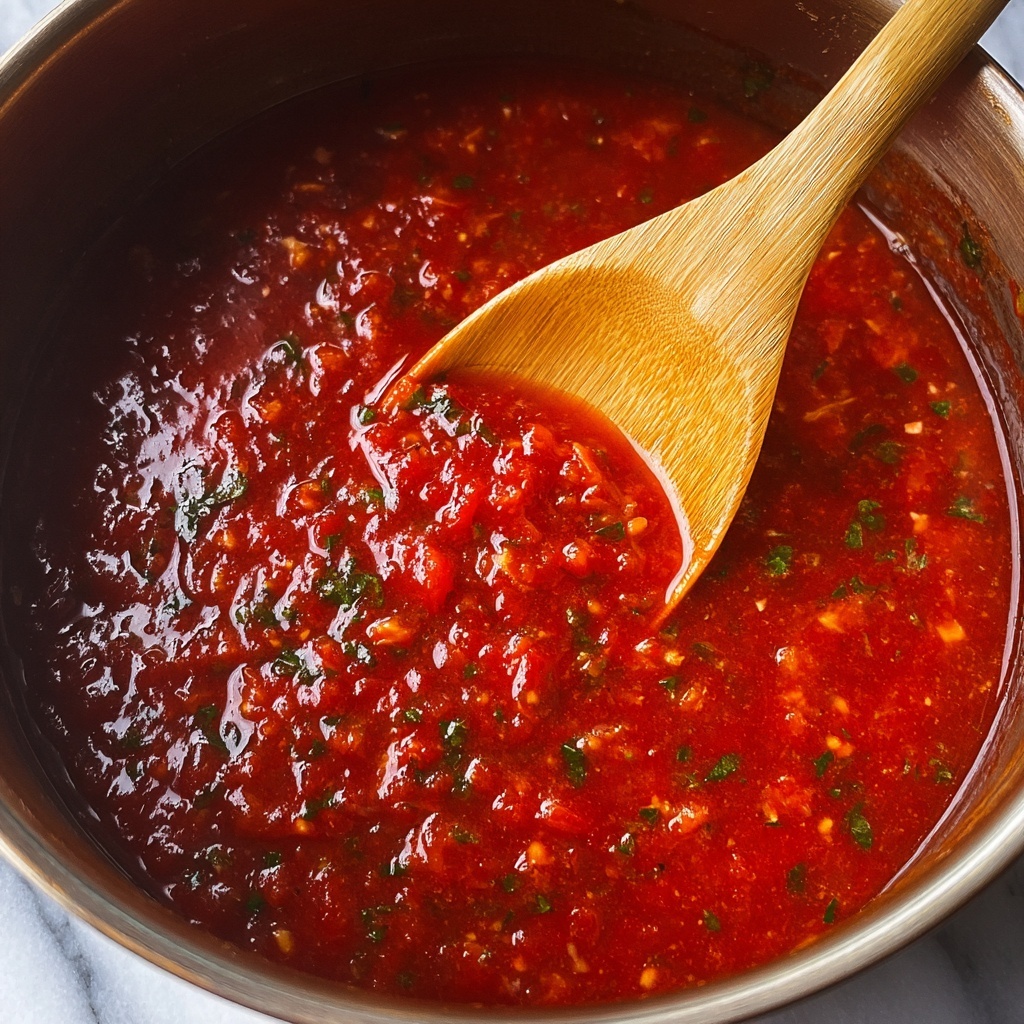
Once the sauce has thickened beautifully, taste it and decide if you need a pinch of sugar. This will smooth out the natural acidity of the tomatoes if desired. Remove from heat and stir in your fresh parsley or basil—this finishing touch injects freshness and vibrant color, making your sauce look and taste like it came straight from an Italian trattoria.
How to Serve Homemade Marinara Sauce Recipe
Garnishes
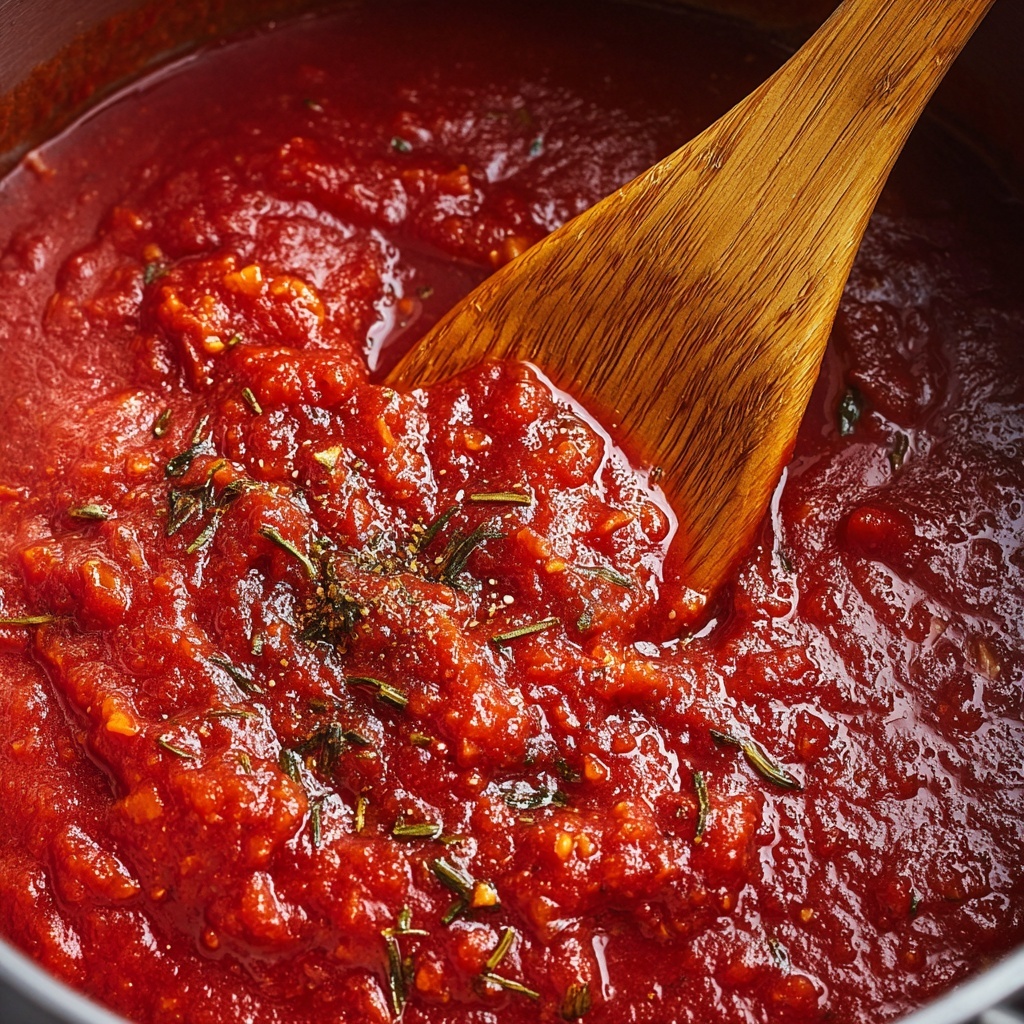
Adding finely chopped fresh parsley or basil just before serving transforms the sauce from rustic to refined. These herbs give a pop of freshness that brightens the entire dish and adds an inviting herbal scent. A drizzle of extra virgin olive oil or a sprinkle of freshly grated Parmesan cheese can also elevate your presentation and flavor profile.
Side Dishes
This sauce is wonderfully versatile when paired with many sides. Toss it with your favorite cooked pasta for a classic Italian meal, spoon it over grilled vegetables, or use it as a dipping sauce for warm, crusty bread or garlic knots. It also pairs deliciously with Italian meatballs, roasted chicken, or even as a base for baked eggplant Parmesan.
Creative Ways to Present
Why not get a little creative? Use your Homemade Marinara Sauce Recipe as a pizza base, layering it with fresh mozzarella and your favorite toppings. You can also swirl it into polenta or drizzle over a hearty lasagna. For a fun appetizer, serve it alongside crispy fried mozzarella sticks or use it as a dipping sauce for homemade zucchini fries.
Make Ahead and Storage
Storing Leftovers
Keep your leftover marinara sauce fresh in an airtight container stored in the refrigerator for up to 5 days. Storing it properly preserves the vibrant flavors and prevents the sauce from spoiling, so you can enjoy it again without loss of quality.
Freezing
Homemade marinara freezes beautifully, making it ideal for batch cooking or meal prepping. Portion the sauce into freezer-safe containers or resealable bags, leaving some space for expansion. It will keep well for up to 3 months. When you’re ready, simply thaw it in the refrigerator overnight or gently reheat from frozen.
Reheating
To reheat, warm the sauce slowly on the stovetop over low heat, stirring occasionally until heated through. This gentle reheating helps maintain the sauce’s fresh flavor and silky texture. Avoid microwaving at high temperatures to prevent drying out or scorching the sauce.
FAQs
Can I use fresh tomatoes instead of canned crushed tomatoes?
Absolutely! Using fresh tomatoes can make your Homemade Marinara Sauce Recipe even more vibrant, though it requires peeling and crushing the tomatoes yourself. Choose ripe, juicy tomatoes for the best flavor, and simmer longer to achieve the right consistency.
How do I make the sauce less acidic?
Adding a teaspoon of sugar towards the end of simmering can balance the acidity naturally found in tomatoes. Additionally, cooking the sauce longer at a low simmer tends to mellow out sharp flavors, giving you a smoother taste.
Can I blend the sauce for a smoother texture?
Yes, blending is a great option if you prefer a silky, smooth marinara. Use an immersion blender directly in the pot or transfer to a regular blender, but be sure to cool it slightly before blending to avoid splatters.
Is this sauce suitable for vegan and gluten-free diets?
Definitely. This Homemade Marinara Sauce Recipe is naturally vegan and gluten-free, made entirely from plant-based ingredients without any hidden gluten or dairy, making it a safe and delicious choice for most dietary preferences.
Can I add other herbs or spices?
Of course! Feel free to experiment with fresh thyme, rosemary, or even a bay leaf during simmering to personalize your sauce. Just remember to adjust amounts carefully so the herbs complement rather than overpower the classic marinara flavors.
Final Thoughts
There is something genuinely satisfying about making your own sauce from scratch using just a handful of simple ingredients, and this Homemade Marinara Sauce Recipe is proof that incredible flavor doesn’t have to be complicated. Once you try it, you’ll see why it has become an indispensable part of my kitchen routine. So grab those ingredients, simmer a pot full of love, and enjoy the taste of homemade Italian warmth every time you serve it.
Print
Homemade Marinara Sauce Recipe
- Prep Time: 10 minutes
- Cook Time: 25 minutes
- Total Time: 35 minutes
- Yield: 4 cups
- Category: Sauce
- Method: Stovetop
- Cuisine: Italian
- Diet: Vegan, Gluten Free
Description
This Homemade Marinara Sauce is a classic Italian tomato sauce made with fresh onions, garlic, and a blend of herbs simmered to perfection on the stovetop. It’s versatile, easy to prepare, and perfect for pasta, pizza, or dipping. The sauce can be customized in texture and freezes well for convenient use.
Ingredients
Marinara Sauce Ingredients
- 2 tablespoons olive oil
- 1 small onion, finely chopped
- 4 cloves garlic, minced
- 1 can (28 ounces) crushed tomatoes
- 1 tablespoon tomato paste
- 1 teaspoon dried oregano
- 1 teaspoon dried basil
- 1/2 teaspoon salt
- 1/4 teaspoon black pepper
- 1/4 teaspoon red pepper flakes (optional)
- 1 teaspoon sugar (optional)
- 1/4 cup chopped fresh parsley or basil (for garnish)
Instructions
- Heat the olive oil: Pour the olive oil into a large saucepan and warm it over medium heat until hot but not smoking.
- Sauté onions: Add the finely chopped onions and cook for 5 to 6 minutes until they become soft and translucent, stirring occasionally to prevent browning.
- Add garlic: Stir in the minced garlic and cook for an additional 1 minute, keeping it moving constantly to avoid burning and to release its flavor.
- Add tomato paste: Mix in the tomato paste and cook for another minute to deepen its flavor, stirring continuously to blend it evenly.
- Add tomatoes and seasonings: Pour in the crushed tomatoes, then add dried oregano, dried basil, salt, black pepper, and red pepper flakes if using. Stir well to combine all ingredients.
- Simmer the sauce: Bring the mixture to a gentle simmer, then reduce the heat to low and let it cook uncovered for 20 to 25 minutes. Stir the sauce occasionally to prevent sticking and allow flavors to meld.
- Adjust seasoning: Taste the sauce and add a pinch of sugar if it tastes too acidic. Stir to incorporate and balance the flavors.
- Finish and garnish: Remove the saucepan from the heat and stir in the fresh chopped parsley or basil for a fresh, vibrant finish before serving.
Notes
- The sauce can be blended with an immersion blender or in a regular blender to achieve a smoother texture, or left chunky if preferred.
- This marinara freezes well in an airtight container for up to 3 months and keeps in the refrigerator for up to 5 days.
- Ideal for serving with pasta, as a pizza base sauce, or as a flavorful dipping sauce for breadsticks or appetizers.