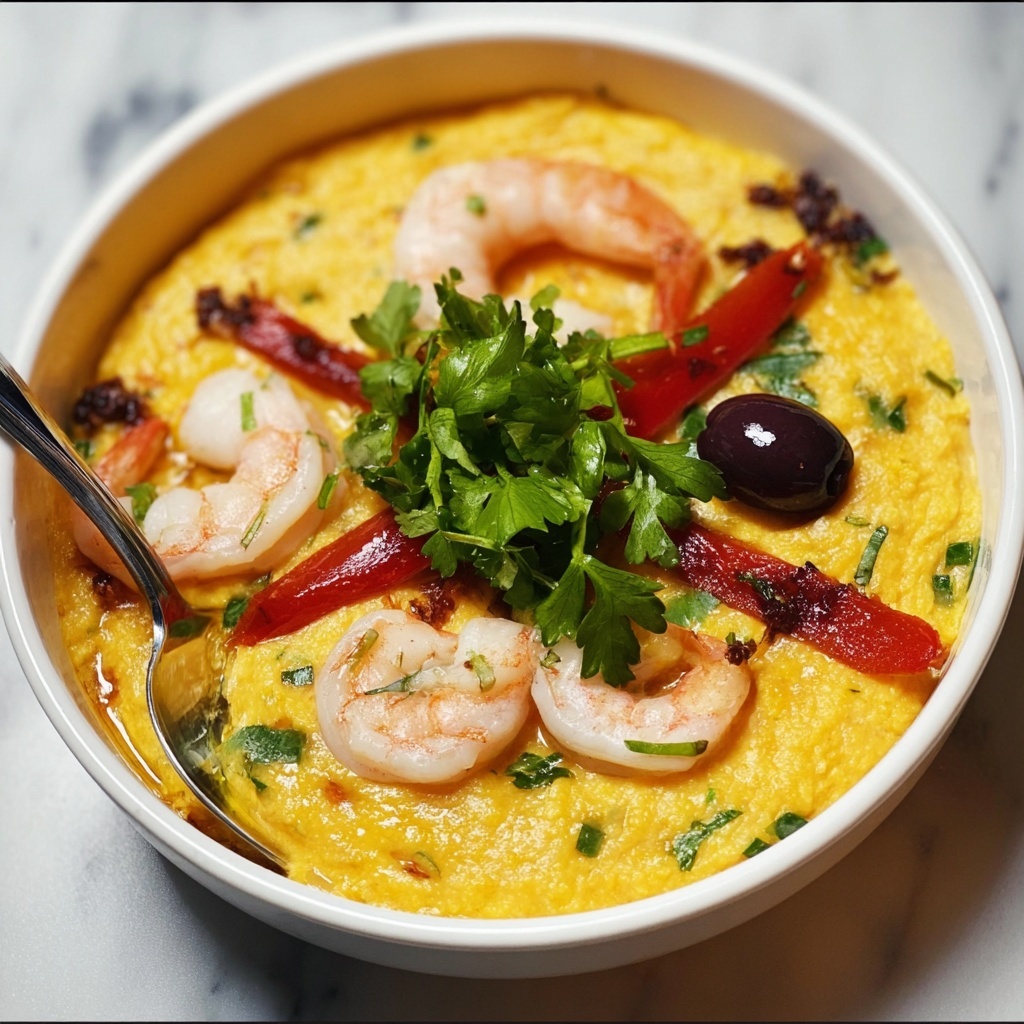
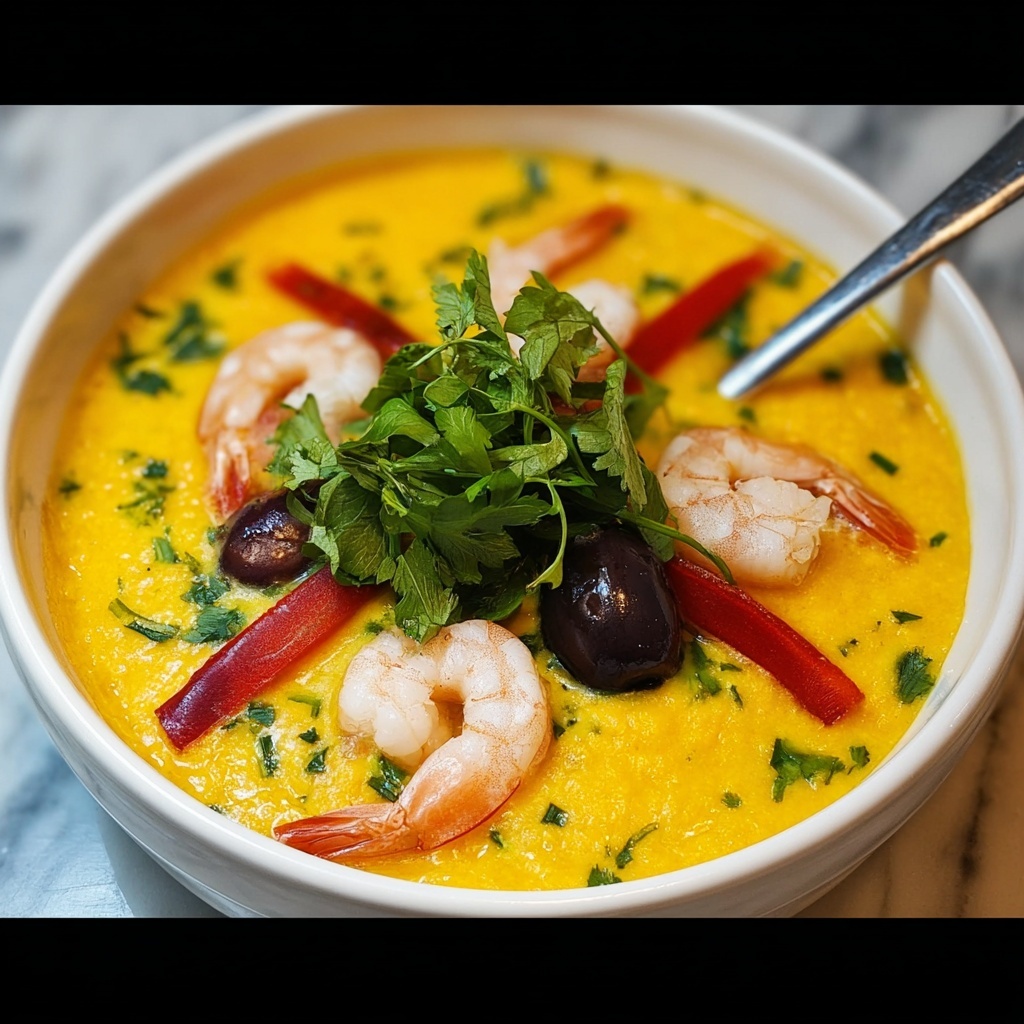
If you’ve never tried a dish that perfectly marries creamy, spicy, and nutty flavors with a coastal Brazilian flair, the Brazilian Vatapá Recipe is your new best friend. This luscious, velvety stew is deeply rooted in Afro-Brazilian culture and is loved for its rich coconut base, the nutty depth from peanuts or cashews, and the delightful hint of shrimp that brings it all to life. Whether you’re craving something warm and comforting or craving an exciting taste adventure, this dish won’t disappoint—you’ll find yourself savoring every bite as if it were a warm hug from a close friend.
Ingredients You’ll Need
Getting ready to make this Brazilian classic is simpler than you might think. The ingredients are straightforward, each bringing an essential element: texture, flavor, or that beautiful golden color. Together, they create the rich harmony that makes vatapá so irresistibly good.
- Dendê oil: This bright orange palm oil gives an authentic flair and vibrant hue, but vegetable oil with a dash of sesame oil works well too.
- Small onion: Adds a sweet and aromatic base flavor to the stew.
- Garlic cloves: Plenty of garlicky goodness to deepen the savory notes.
- Fresh ginger: A hint of warmth and zing balances the richness.
- Red chili or red pepper flakes: Optional, but loved for an extra touch of spice.
- Raw peanuts or cashews: Unsalted and essential for the characteristic creamy and nutty texture.
- Dried shrimp or cooked shrimp: Brings a lovely seafood essence that defines vatapá.
- White bread slices: Removed crusts soaked in coconut milk help thicken the stew beautifully.
- Coconut milk: The star ingredient that imparts velvety creaminess and tropical sweetness.
- Fish or vegetable broth: Adds depth and balances the coconut milk.
- Tomato paste: For richness and subtle acidity.
- Chopped cilantro: Bright, fresh, and herbaceous, finishing the dish perfectly.
- Salt and pepper: To taste, making sure every flavor sings.
- Lime wedges and extra cilantro: For garnish and an uplifting citrus brightness.
How to Make Brazilian Vatapá Recipe
Step 1: Blend the Nutty Base
Start by combining the raw peanuts or cashews, the soaked bread, dried shrimp (or cooked shrimp if that’s your preference), tomato paste, and a splash of coconut milk in your blender or food processor. Blend this mixture until it’s perfectly smooth and creamy. This paste forms the foundation that gives vatapá its signature rich texture and complex flavor, so don’t rush this step!
Step 2: Sauté the Aromatics
Heat the dendê oil in a large saucepan over medium heat. Gently sauté the chopped onion, minced garlic, grated ginger, and the red chili or pepper flakes if you’re using them. Cook for about 4 to 5 minutes until everything is tender and the kitchen fills with that inviting savory aroma. This step is key to building layers of flavor early on.
Step 3: Combine and Simmer
Add your blended nut and bread paste to the pan and stir it all together. Now, slowly pour in the remaining coconut milk along with the fish or vegetable broth. Keep stirring as you do this to prevent lumps and to help everything meld smoothly. Let the mixture simmer gently for 10 to 15 minutes, stirring often. You’ll notice it thickens to a lovely porridge-like consistency that’s creamy and comforting.
Step 4: Final Touches
Season with salt and pepper to taste, then add the fresh or cooked shrimp to the pan. Cook for another 2 to 3 minutes so the shrimp warms through and absorbs those fragrant flavors. Lastly, stir in the chopped cilantro for a fresh, bright note before taking the pot off the heat.
How to Serve Brazilian Vatapá Recipe
Garnishes
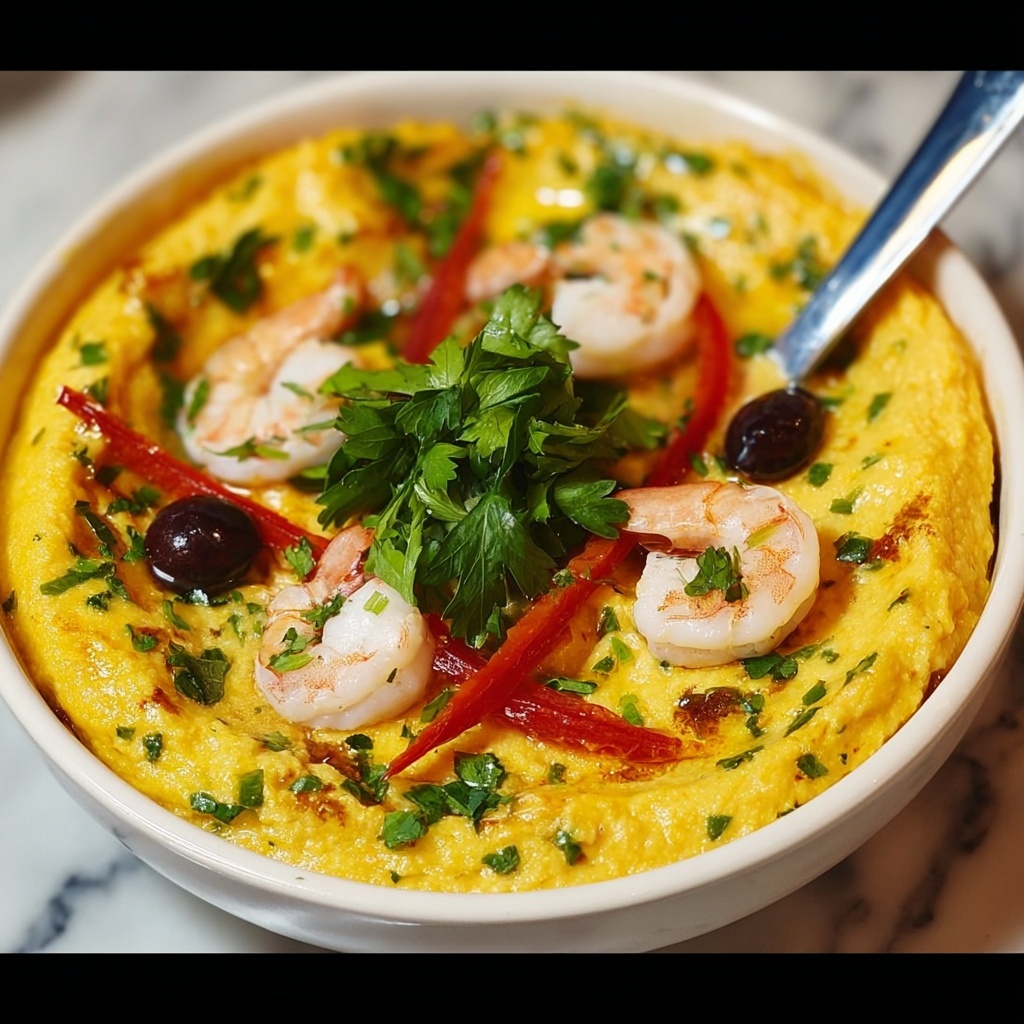
The best way to garnish vatapá is with lime wedges and an extra sprinkle of fresh cilantro. The lime adds a zesty lift that cuts through the creaminess, making every bite feel fresh and vibrant. Trust me, don’t skip this step!
Side Dishes
Vatapá is traditionally enjoyed over white rice, which soaks up the creamy sauce perfectly. Alternatively, farofa (toasted cassava flour) adds a delightful crumbly texture, or serve it alongside crusty bread to mop up every last bit of that luscious stew.
Creative Ways to Present
For a festive touch, serve your vatapá in individual bowls topped with diced avocado or sliced cherry tomatoes for a burst of color and subtle creaminess. You can also pair it with acarajé (deep-fried black-eyed pea fritters) for an authentic Brazilian street food experience right at home.
Make Ahead and Storage
Storing Leftovers
Leftover vatapá tastes just as incredible the next day! Store it in an airtight container in the refrigerator for up to 3 days. The flavors deepen overnight, making reheated portions even more satisfying.
Freezing
You can freeze vatapá for up to a month. Portion it into freezer-safe containers or bags, making sure to leave some space for expansion. Thaw it overnight in the refrigerator before reheating to keep the texture smooth and delicious.
Reheating
Reheat vatapá gently on the stovetop over low to medium heat, stirring occasionally. If it seems too thick, add a small splash of coconut milk or broth to bring it back to that creamy consistency. Avoid microwaving at high power to prevent separation of the coconut milk.
FAQs
Can I make Brazilian Vatapá Recipe without shrimp?
Absolutely! If you prefer a vegetarian or pescatarian version without shrimp, you can omit it or use mushrooms for a similar texture and umami flavor. The dish will still be delicious and full of character.
What can I substitute for dendê oil if I can’t find it?
Dendê oil has a unique flavor and color, but if it’s unavailable, use vegetable oil with a few drops of sesame oil to mimic its nutty, robust taste. It won’t be exactly the same but still very tasty.
Is Brazilian Vatapá Recipe spicy?
The spice level depends on how much chili or red pepper flakes you add. It’s traditionally mildly spicy but you can easily adjust it to your preference—skip the chili for no heat or add more if you like a kick!
Can I prepare the nut paste ahead of time?
Yes! Making the blended paste a few hours or even a day before cooking saves time and enhances the flavors. Just keep it refrigerated and bring to room temperature before using.
What is the best way to thicken vatapá if it’s too runny?
If your vatapá ends up thinner than desired, stir in small amounts of ground peanuts or more soaked bread crumbs. Simmer gently until it reaches the creamy, porridge-like texture this dish is known for.
Final Thoughts
Making and sharing this Brazilian Vatapá Recipe feels like inviting a little piece of Brazil into your kitchen, full of warmth, culture, and unforgettable flavor. Whether for a special occasion or a cozy weeknight meal, it’s a dish that welcomes you with open arms and a comforting hug. Give it a try—you’ll be amazed at how simple ingredients come together to create such a standout experience!
Print
Brazilian Vatapá Recipe
- Prep Time: 15 minutes
- Cook Time: 20 minutes
- Total Time: 35 minutes
- Yield: 4 servings
- Category: Main Course
- Method: Stovetop
- Cuisine: Brazilian
- Diet: Pescatarian
Description
Vatapá is a creamy and flavorful Afro-Brazilian seafood stew made with shrimp, peanuts or cashews, coconut milk, and aromatic spices. This comforting dish is traditionally served warm with white rice, farofa, or crusty bread, bringing a rich blend of textures and vibrant Brazilian flavors to your table.
Ingredients
Base Ingredients
- 2 tablespoons dendê oil (or substitute with vegetable oil + a few drops of sesame oil)
- 1 small onion, chopped
- 2 cloves garlic, minced
- 1 inch fresh ginger, grated
- 1 small red chili or ½ teaspoon red pepper flakes (optional)
Nut and Shrimp Mixture
- ½ cup raw peanuts or cashews (unsalted)
- ¼ cup dried shrimp (soaked and chopped) or 1 cup cooked shrimp
- 2 slices white bread, crusts removed, soaked in ½ cup coconut milk
- 2 tablespoons tomato paste
- ½ cup coconut milk (for blending)
Cooking Liquids and Seasonings
- 1 cup fish or vegetable broth
- 1½ cups coconut milk (remaining)
- ¼ cup chopped cilantro
- Salt and pepper to taste
For Garnish
- Lime wedges
- Extra cilantro
Instructions
- Prepare the Nut and Shrimp Paste: In a blender or food processor, combine the raw peanuts or cashews, soaked bread slices, dried shrimp, tomato paste, and about half a cup of coconut milk. Blend these ingredients into a smooth paste and set it aside.
- Sauté Aromatics: Heat the dendê oil in a large saucepan over medium heat. Add the chopped onion, minced garlic, grated ginger, and red chili or red pepper flakes if using. Sauté the mixture for about 4 to 5 minutes until the vegetables are soft and fragrant.
- Add the Paste and Liquids: Stir in the blended nut and shrimp paste into the pan. Then, slowly pour in the remaining coconut milk and broth gradually while stirring constantly to prevent lumps from forming.
- Simmer to Thicken: Allow the stew to simmer gently for 10 to 15 minutes, stirring frequently. This will help the mixture thicken to a creamy, porridge-like consistency. Season with salt and pepper to taste. If you’re using fresh or cooked shrimp instead of dried shrimp, add them now and cook for an additional 2 to 3 minutes until heated through.
- Finish and Serve: Stir in the chopped cilantro, then remove the vatapá from heat. Serve warm accompanied by white rice, farofa, or crusty bread. Garnish with lime wedges and extra cilantro for a fresh, vibrant finish.
Notes
- Vatapá is traditionally served with acarajé (black-eyed pea fritters) or rice to balance its creamy texture.
- Adjust the spice level by varying the amount of chili or red pepper flakes.
- You can blend the mixture until completely smooth or leave it slightly chunky for added texture.
- Dendê oil provides a distinct flavor but can be substituted with vegetable oil and sesame oil for authenticity if unavailable.