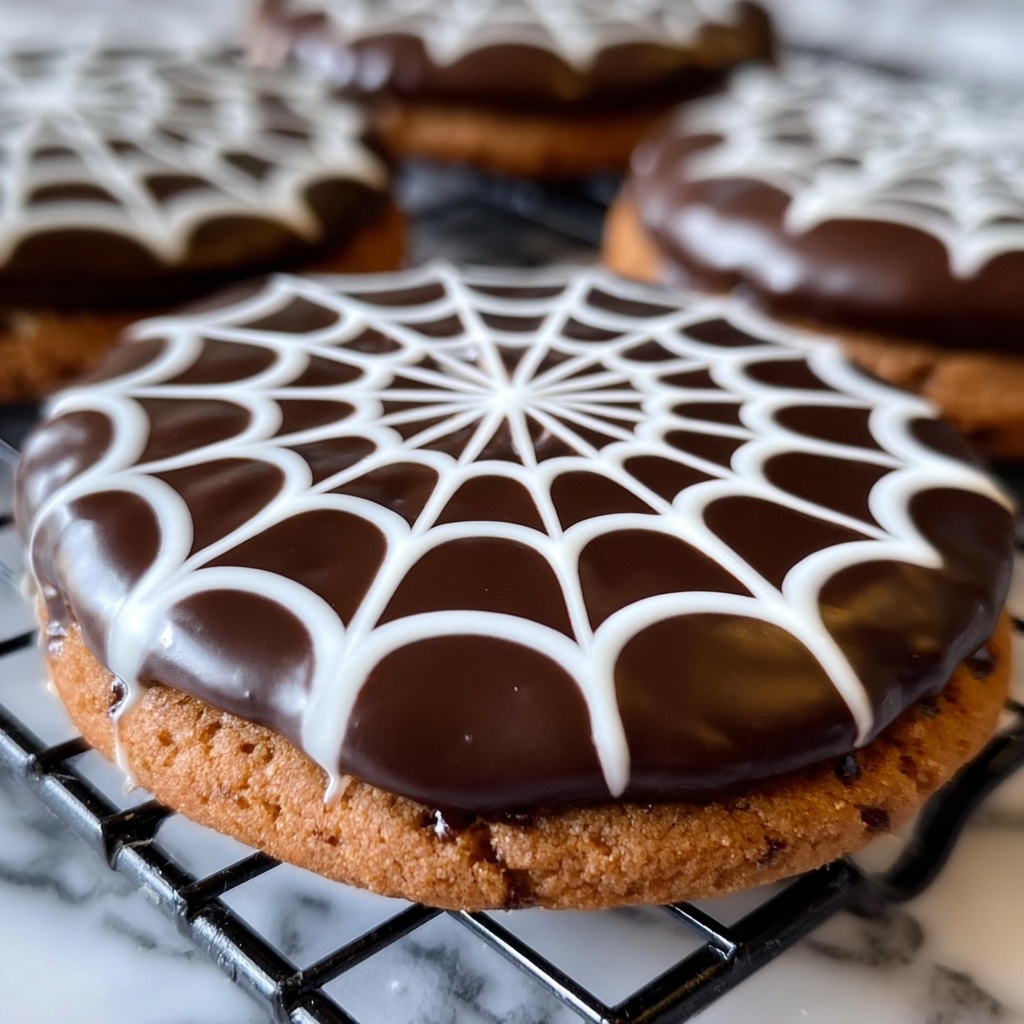
If you’re dreaming of spooky sweets that are as fun to make as they are to eat, this Spiderweb Halloween Cookies Recipe is just what you need. These delightfully soft sugar cookies, topped with a striking black and white spiderweb icing, bring festive charm and irresistible sweetness to your Halloween celebrations. From the tender buttery base to the artistic spiderweb design, each bite is a perfect blend of buttery richness and sugary goodness that’s sure to wow your family and friends.
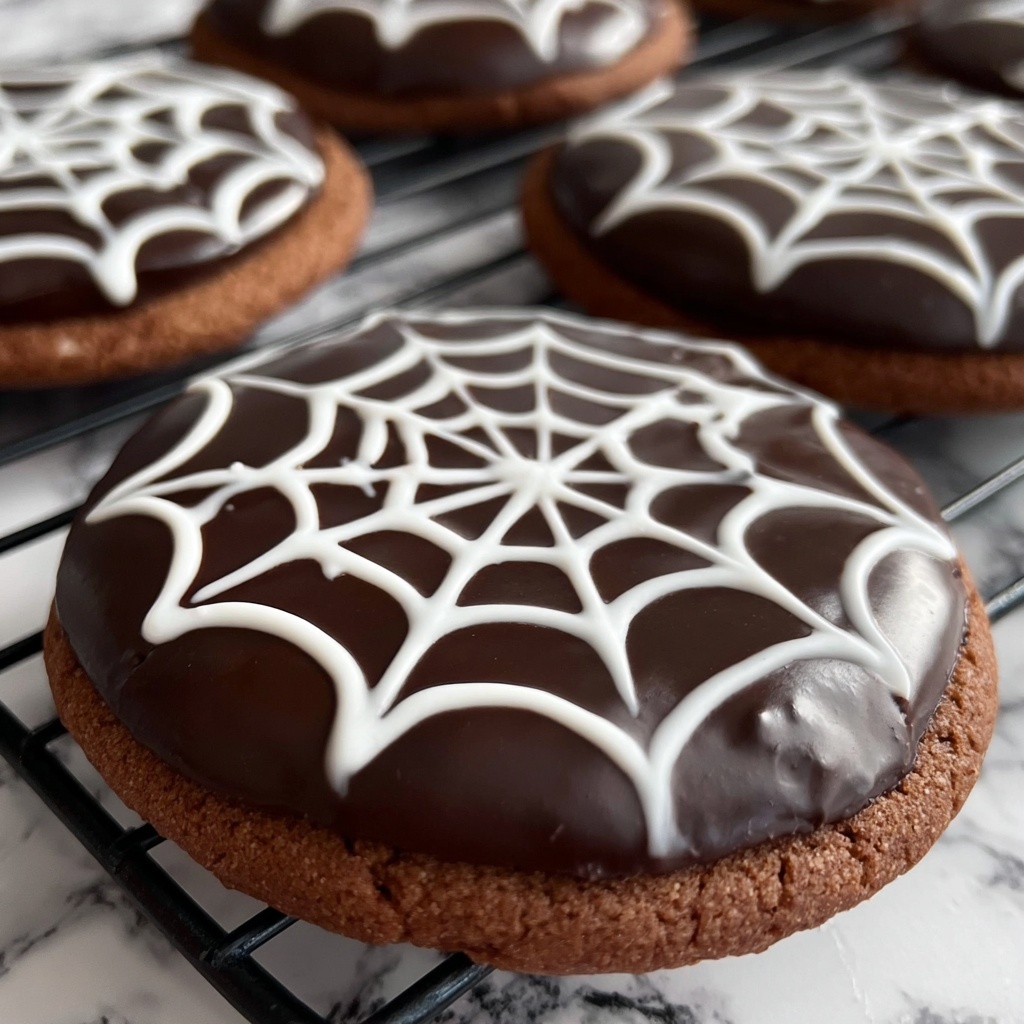
Ingredients You’ll Need
Keeping things simple with a handful of basic ingredients is the key to this recipe’s charm. Each component plays an essential role, from the creamy butter that creates the perfect texture to the black food coloring that brings the spooky spiderweb design to life.
- 1 cup unsalted butter, softened: Provides the rich, tender base that makes these cookies so soft and delicious.
- 1 cup granulated sugar: Adds sweetness and contributes to the crumbly yet chewy texture.
- 1 large egg: Binds the dough together and gives structure to the cookies.
- 1 teaspoon vanilla extract: Brings out a lovely aromatic flavor that enhances the overall taste.
- 2 ½ cups all-purpose flour: The backbone of the cookie, giving it substance and the right consistency.
- ½ teaspoon baking powder: Helps the cookies rise just enough for a soft, delicate bite.
- ¼ teaspoon salt: Balances sweetness and intensifies flavor.
- 2 cups powdered sugar (for icing): Creates a smooth, sweet base for spreading and decorating.
- 2–3 tablespoons milk: Adjusts the icing’s texture to make it spreadable and easy to pipe.
- 1 teaspoon vanilla extract (for icing): Adds flavor depth to the icing.
- Black food coloring: Essential for crafting the eerie spiderweb design that steals the show.
How to Make Spiderweb Halloween Cookies Recipe
Step 1: Prepare and Cream Your Ingredients
Start by preheating your oven to 350°F (175°C) and lining baking sheets with parchment paper—this keeps your cookies from sticking and ensures easy cleanup. Then, in a large bowl, cream the softened butter and granulated sugar together until the mixture becomes light and fluffy. This step is crucial as it incorporates air into the dough, creating a beautifully tender texture.
Step 2: Mix in the Egg and Vanilla
Once your butter and sugar are perfectly whipped, beat in the egg and vanilla extract until fully combined. This adds moistness and flavor, giving the cookies a rich and inviting aroma that will fill your kitchen.
Step 3: Combine Dry Ingredients and Form Dough
In a separate bowl, whisk together the all-purpose flour, baking powder, and salt. Gradually add this dry mixture into your wet ingredients, mixing gently until a soft, cohesive dough forms. Be careful not to overmix; you want the cookies tender, not tough.
Step 4: Shape and Bake the Cookies
Roll the dough into 1-inch balls and set them about 2 inches apart on your prepared baking sheets. Lightly flatten each with your palm or the bottom of a glass to encourage even baking. Pop them into the oven for 10 to 12 minutes, until you see the edges just begin to turn a golden hue. Once baked, allow the cookies to cool completely before moving on.
Step 5: Whip Up the Icing and Decorate
Mix powdered sugar, milk, and vanilla extract until smooth and spreadable—add milk carefully to get the perfect consistency. Transfer a small portion to a separate bowl and mix in black food coloring for that dramatic spiderweb effect. Spread white icing over each cookie, then pipe 3 to 4 concentric black circles on top. Using a toothpick, drag lines from the center outward to craft a mesmerizing spiderweb design. Let the icing set completely before serving or storing your masterpieces.
How to Serve Spiderweb Halloween Cookies Recipe
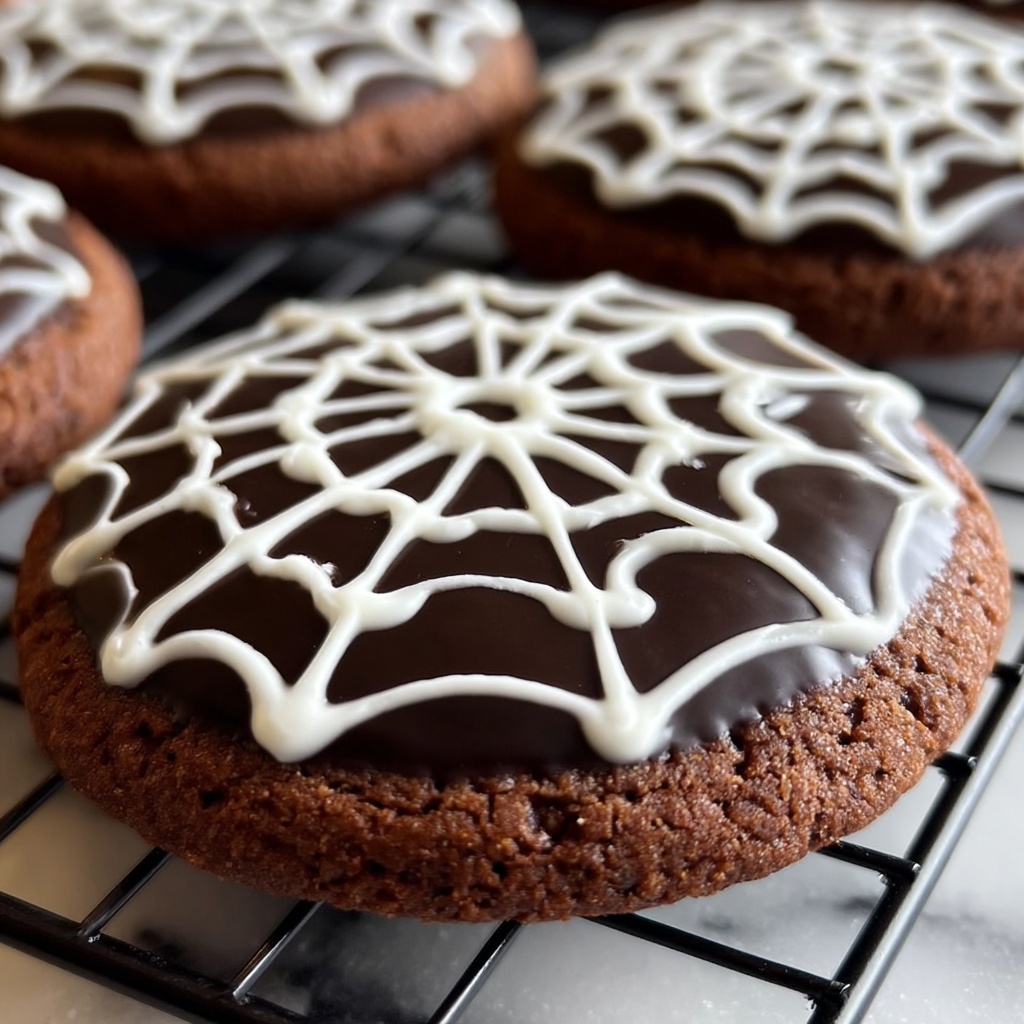
Garnishes
Adding garnishes elevates the presentation and thrill of these spooky treats. Tiny edible candy spiders or a sprinkle of edible glitter can add that extra touch of Halloween magic. These little details transform simple cookies into party-ready bites that guests will adore.
Side Dishes
These Spiderweb Halloween Cookies pair wonderfully with warm beverages like spiced hot chocolate or a rich pumpkin latte. Together, they create a cozy and festive vibe perfect for cooling autumn nights or Halloween parties.
Creative Ways to Present
Arrange your spiderweb cookies on a rustic wooden platter or a black lace doily for a striking contrast. You can also serve them in themed treat bags for party favors or layer them in a glass jar that’s decorated in Halloween motifs—it adds a playful surprise and invites guests to indulge again and again.
Make Ahead and Storage
Storing Leftovers
Once iced and fully set, these cookies store beautifully in an airtight container at room temperature for up to 4 days. This lets the flavors meld and the texture stay just right, so no one misses out on the spooky sweetness.
Freezing
You can freeze un-iced cookies for up to 3 months by wrapping them tightly and placing them in a freezer-safe container. When you’re ready to enjoy, thaw at room temperature and decorate with icing just before serving to keep the spiderweb design fresh and vibrant.
Reheating
Since these cookies are best eaten fresh or at room temperature, reheating is not necessary. If you prefer a slightly warm cookie, gently heat in a microwave for about 10 seconds, but be careful not to melt the icing.
FAQs
Can I use a different color icing for the spiderweb?
Absolutely! While black creates the classic spiderweb appearance, feel free to get creative with purple, orange, or green to match your Halloween theme. Just adjust food coloring accordingly to achieve your desired vibrant color.
Is there a gluten-free version of this Spiderweb Halloween Cookies Recipe?
Yes, you can substitute the all-purpose flour with a gluten-free flour blend that measures cup-for-cup. Just ensure your blend contains xanthan gum or another binder to maintain the cookie’s texture and structure.
How do I make my icing thicker or thinner?
If your icing is too thick, add a few drops of milk at a time until it reaches the perfect spreadable consistency. If it’s too thin, add a little more powdered sugar to thicken it up before decorating your cookies.
Can I make these cookies without the egg?
You can try using an egg substitute like applesauce or a flaxseed “egg” to keep the recipe vegetarian or egg-free, but results might vary slightly in texture. These substitutes usually work best in recipes where the egg acts as a binder rather than a leavening agent.
How long does it take for the icing to set?
The icing typically sets within 1 to 2 hours at room temperature. If you want to speed up the process, place the cookies in the refrigerator for about 15 to 20 minutes, but make sure they’re covered loosely so the cookies don’t dry out.
Final Thoughts
There’s something truly special about homemade treats, and with this Spiderweb Halloween Cookies Recipe, you get to combine the joy of baking with the fun spirit of Halloween. These cookies not only taste amazing but also bring that extra festive flair everyone will love. So grab your apron, whip up a batch, and watch your loved ones light up with delight as they enjoy these charming spooky sweets!
Print
Spiderweb Halloween Cookies Recipe
- Prep Time: 25 minutes
- Cook Time: 12 minutes
- Total Time: 1 hour
- Yield: 24 cookies
- Category: Dessert
- Method: Baking
- Cuisine: American
- Diet: Vegetarian
Description
Spiderweb Halloween Cookies are delightfully spooky sugar cookies decorated with a striking black and white spiderweb icing. Perfect for Halloween celebrations, these soft, buttery cookies are topped with sweet vanilla glaze and decorated to impress with an artistic spiderweb design made from contrasting black icing.
Ingredients
Cookie Dough
- 1 cup unsalted butter, softened
- 1 cup granulated sugar
- 1 large egg
- 1 teaspoon vanilla extract
- 2 ½ cups all-purpose flour
- ½ teaspoon baking powder
- ¼ teaspoon salt
Icing
- 2 cups powdered sugar
- 2–3 tablespoons milk
- 1 teaspoon vanilla extract
- Black food coloring
Instructions
- Preheat and Prepare Dry & Wet Ingredients: Preheat your oven to 350°F (175°C) and line baking sheets with parchment paper to prevent sticking. In a large bowl, use a mixer to cream together the softened butter and granulated sugar until the mixture is light and fluffy. Beat in the egg and vanilla extract until fully incorporated. In a separate bowl, whisk together the all-purpose flour, baking powder, and salt to ensure an even distribution of leavening and seasonings.
- Combine the Dough: Gradually add the dry ingredients to the wet mixture, stirring until a cohesive dough forms. Avoid overmixing to keep your cookies tender.
- Shape and Bake Cookies: Roll the dough into 1-inch balls and space them about 2 inches apart on the prepared baking sheet. Flatten each slightly using the palm of your hand or the bottom of a glass for even thickness. Bake in the preheated oven for 10–12 minutes or until the edges turn a gentle golden hue, indicating they are perfectly baked. Remove from oven and allow them to cool completely on a wire rack, ensuring the cookies firm up for decorating.
- Prepare the Icing: In a bowl, mix the powdered sugar with 2 to 3 tablespoons of milk and 1 teaspoon vanilla extract, adjusting the liquid to achieve a smooth, spreadable consistency. Transfer a small portion to a separate bowl and add black food coloring to tint it for the spiderweb design.
- Decorate the Cookies: Spread a thin, even layer of the white icing over each cooled cookie. Using a piping bag or a zip-top bag with a small tip cut off, pipe 3–4 concentric circles of black icing on top of the white icing immediately. To create the spiderweb effect, drag a toothpick gently from the center of the cookies outward through the black circles, pulling the icing lines into a web pattern. Let the icing set completely before serving or storing.
Notes
- Cookies can be baked a day ahead and decorated just before serving for convenience.
- Add candy spiders or edible glitter on top of the spiderweb icing to enhance the Halloween theme and make your cookies extra festive.