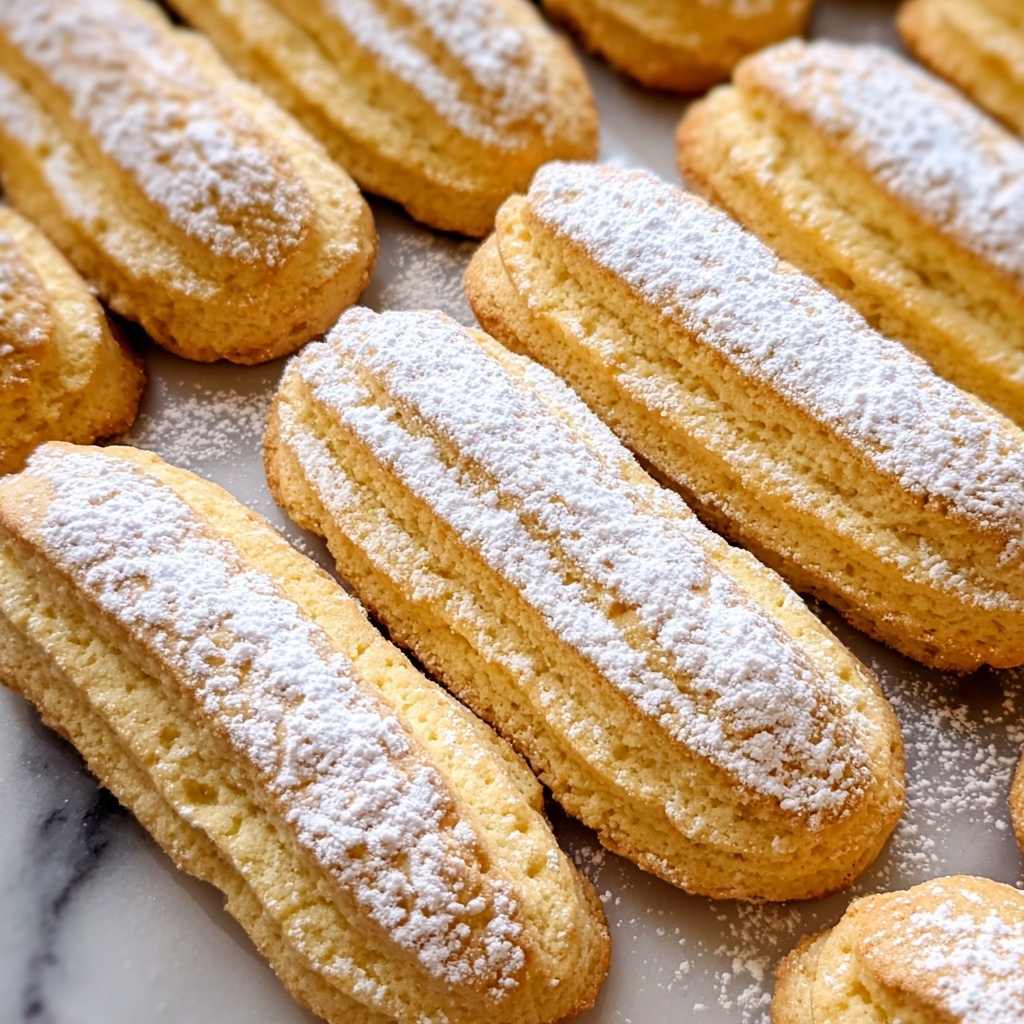
If you have been searching for a delightful, airy treat that fits perfectly into a plant-based lifestyle, this Vegan Ladyfingers (Savoiardi Cookies) Recipe is your new best friend. These light and crisp cookies capture the essence of traditional savoiardi but with a vegan twist that does not compromise on texture or flavor. Their delicate sweetness and irresistible softness make them perfect for snacking on their own or as the foundation for classic desserts like tiramisu. Once you try this recipe, you’ll discover how simple ingredients come together to create an authentically charming cookie that everyone will adore.
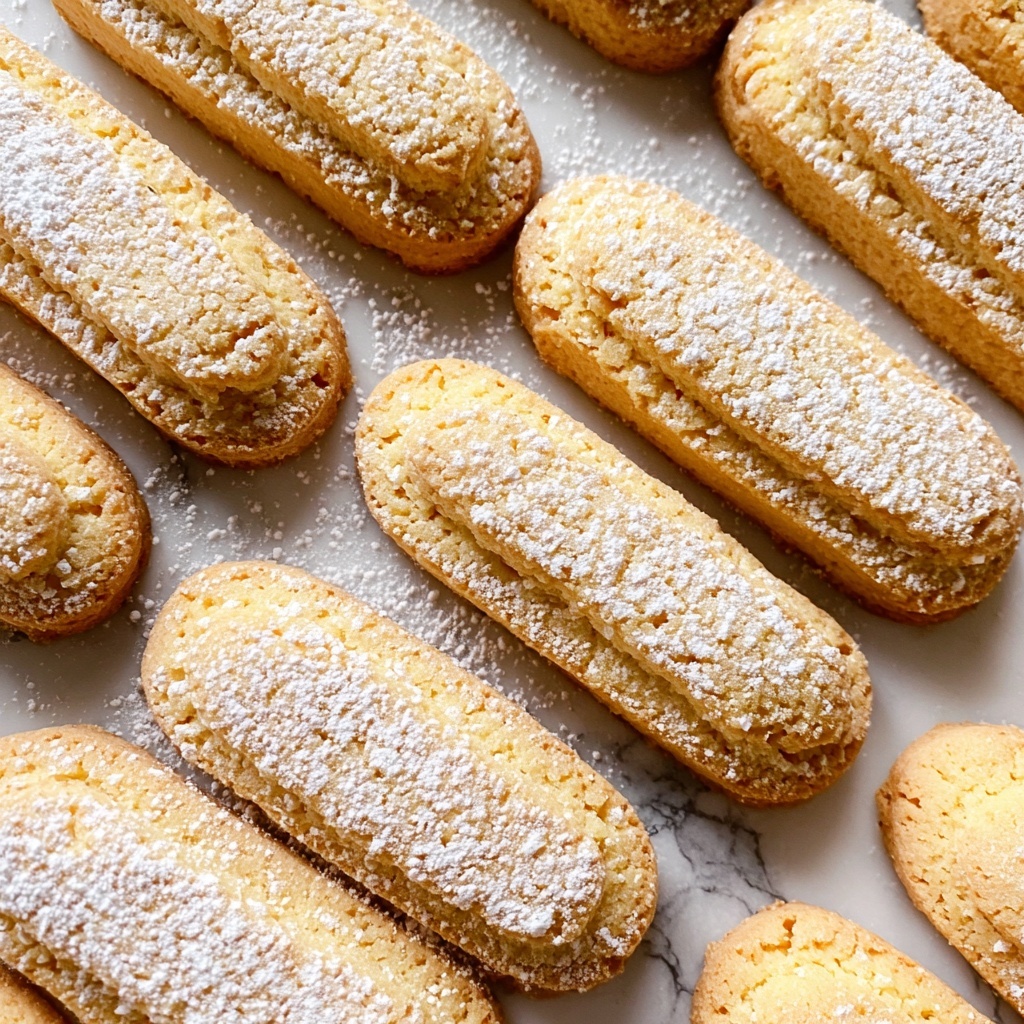
Ingredients You’ll Need
The magic of these Vegan Ladyfingers (Savoiardi Cookies) comes from a few staple ingredients that are easy to find, yet essential in achieving that light, melt-in-your-mouth texture. Each one plays a unique role, from giving structure to the batter to adding moisture and subtle flavor nuances.
- Aquafaba (120 g): This creamy liquid from chickpeas mimics egg whites, providing the airy lift needed for perfect lightness.
- Cream of tartar (½ teaspoon): Helps stabilize the whipped aquafaba, ensuring stiff peaks and great volume.
- Granulated sugar (115 g total): Adds sweetness and helps create a beautifully crisp outer layer.
- Vegan Greek-style yogurt (45 g): Contributes moisture and a subtle tang, balancing the sweetness.
- Olive oil (40 ml): Brings richness and tenderness to each cookie.
- Vanilla extract (2 teaspoons): Enhances the flavor with a warm, inviting aroma.
- Plain flour (200 g): Provides the structure, sifted for lightness.
- Cornstarch (30 g): Adds a delicate softness and helps keep the texture tender.
- Baking powder (2 teaspoons): Gives a slight lift to ensure the cookies aren’t dense.
- Sea salt (¼ teaspoon): Balances sweetness and brings out the flavors.
- Powdered sugar (50 g): Perfect for dusting, offering a sweet, snowy finish.
How to Make Vegan Ladyfingers (Savoiardi Cookies) Recipe
Step 1: Preheat and Prepare Your Workspace
Start by heating your oven to 180°C fan (200°C conventional). Line two baking trays with parchment paper and lightly grease them. This step makes all the difference in getting perfectly shaped cookies that lift easily off the tray. Prepare a clean, dry bowl to whip your aquafaba – cleanliness here will help achieve the best volume!
Step 2: Whip the Aquafaba with Cream of Tartar
Pour the aquafaba and cream of tartar into your bowl or stand mixer and whisk on high speed for about five minutes until soft peaks form. This process is what mimics egg whites in this recipe and gives your ladyfingers their iconic airy texture. It’s fun to watch this transformation – just imagine clouds turning into cookie batter!
Step 3: Gradually Incorporate Sugar and Whip to Stiff Peaks
Slowly add one-third cup (70 g) of sugar to the whipped aquafaba while continuing to whisk. This slow addition ensures the sugar dissolves completely, resulting in a smooth yet glossy meringue. Whisk for another three minutes until stiff peaks are achieved, giving you a billowy, bright base for the batter.
Step 4: Mix Wet Ingredients Separately
In a different bowl, whisk together the remaining sugar (45 g), vegan yogurt, olive oil, and vanilla extract until smooth. This mixture adds moisture, flavor depth, and slight creaminess – essential for balancing the airy meringue with richness.
Step 5: Fold Aquafaba into Wet Ingredients
Gently fold the fluffy aquafaba meringue into the wet ingredient bowl in three to four increments. The goal here is to combine the two without knocking out air from the whipped aquafaba. This careful folding keeps the mixture light and airy, crucial for getting that delicate ladyfinger texture.
Step 6: Add Dry Ingredients and Fold
Mix the sifted plain flour, cornstarch, baking powder, and salt together. Fold these dry ingredients carefully into the wet and aquafaba mixture in two to three portions. This gradual addition keeps the batter smooth and prevents overmixing, which could make the cookies tough instead of soft and delicate.
Step 7: Pipe the Ladyfinger Shapes
Transfer the batter into a piping bag with a ½ inch round tip or snip the end of a disposable bag. Pipe cookies approximately 3.5 inches long and 1 inch wide onto the parchment-lined trays, leaving about an inch between each. Before baking, dust the ladyfingers generously with powdered sugar for that classic, slightly crisp finish. If you prefer, you can use silicone molds lightly greased and dusted with powdered sugar for uniform shapes.
Step 8: Bake to Perfection
Bake the piped cookies for 12 to 13 minutes until the edges turn a light golden brown. Cookies baked in silicone molds may take 14 to 15 minutes. Keep an eye on them as they can go from perfectly baked to overdone quickly. The goal is to achieve a delicate crispness outside and a soft interior.
Step 9: Cool Completely
Let the ladyfingers cool on the baking trays for five minutes before transferring to a cooling rack. If using molds, allow them to cool fully before attempting to remove. Cooling is essential to allow the cookies to set and develop that characteristic texture which makes them perfect for layering or enjoying on their own.
How to Serve Vegan Ladyfingers (Savoiardi Cookies) Recipe
Garnishes
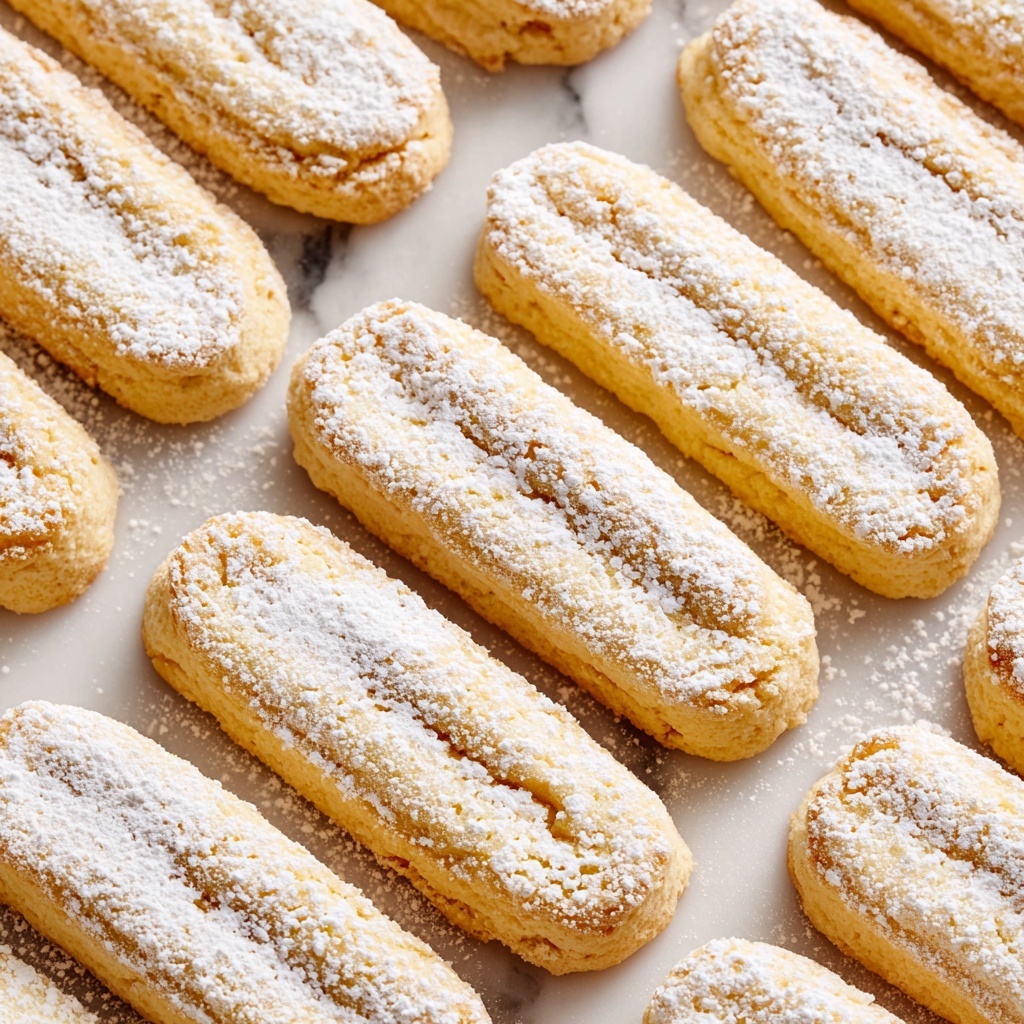
These vegan ladyfingers are just wonderful when dusted with an extra layer of powdered sugar or a light sprinkle of cocoa powder for a hint of chocolate. You can also drizzle a bit of vegan dark chocolate or even dip one end in melted chocolate for a decadent twist. Fresh berries on the side add pops of color and freshness that complement their sweet flavor beautifully.
Side Dishes
Pair these delicate cookies with a scoop of vegan ice cream, a dollop of coconut whipped cream, or a bowl of fresh fruit salad. Their light texture complements heavier, creamier components perfectly, making them perfect for dessert spreads. They also work wonderfully with vegan tiramisu or layered puddings as the perfect base.
Creative Ways to Present
Take your Vegan Ladyfingers (Savoiardi Cookies) Recipe to the next level by using them in bite-sized desserts or edible arrangements. You can create mini tiramisus in glasses, layer them with vegan custards, or serve as the crisp element in trifles. Arranged on a dessert board alongside nuts and fruits, they bring charm and elegance that guests will love.
Make Ahead and Storage
Storing Leftovers
If you make more Vegan Ladyfingers (Savoiardi Cookies) than you can munch right away, store them in an airtight container at room temperature for up to five days. They will remain crisp initially but may soften slightly over time, which still makes them delicious for layered desserts.
Freezing
These cookies freeze beautifully, which means you can bake ahead and have them on hand for whenever inspiration strikes. Place them in a sealed container or freezer bag, separated by parchment paper, and freeze for up to one month. When you want to use them, just thaw at room temperature.
Reheating
If your ladyfingers soften from storage, a quick 3-4 minute bake in a preheated oven at 160°C (320°F) can restore some of their crispness. Keep a close watch to prevent browning too much. This is a perfect trick to bring your cookies back to life for serving.
FAQs
Can I substitute aquafaba with something else?
Aquafaba is essential in this Vegan Ladyfingers (Savoiardi Cookies) Recipe as it replaces egg whites with its unique foaming and stabilizing properties. Other substitutes won’t provide the same lift or texture, so it’s best to use aquafaba for authentic results.
What if I don’t have cream of tartar?
You can use lemon juice or white vinegar as a substitute in equal amounts to cream of tartar. These acids help stabilize the whipped aquafaba and ensure your cookies get that perfect airy texture.
Why do the cookies spread during baking?
The batter has oil and yogurt which create tenderness but also cause slight spreading. Leaving enough space between piped ladyfingers allows them to expand without merging, preserving their signature shape.
Can I make these cookies gluten-free?
This recipe relies on plain flour for structure, but you can experiment with gluten-free all-purpose flour blends that include xanthan gum. Keep in mind the texture may slightly differ as gluten-free flours behave differently in light meringue-based batters.
How do I get the powdered sugar to stick on top?
Dusting the cookies generously with powdered sugar right before baking allows it to adhere and create a delicate, crisp topping. The slight moisture on the batter surface helps the sugar cling during the bake.
Final Thoughts
This Vegan Ladyfingers (Savoiardi Cookies) Recipe is truly a little slice of paradise for anyone seeking a light, delicious cookie that fits perfectly into a plant-based lifestyle. Whether you enjoy them on their own, dip them into your favorite beverage, or layer them in desserts, these cookies never fail to bring a smile. Give this recipe a try, and you’ll find yourself reaching for them again and again – they’re that good!
Print
Vegan Ladyfingers (Savoiardi Cookies) Recipe
- Prep Time: 15 minutes
- Cook Time: 13 minutes
- Total Time: 33 minutes
- Yield: 32 ladyfinger cookies
- Category: Dessert
- Method: Baking
- Cuisine: Vegan
- Diet: Vegan
Description
These Vegan Ladyfingers, also known as Savoiardi Cookies, are light, airy, and perfect for vegan desserts like tiramisu. Made without eggs or dairy using aquafaba and vegan yogurt, these cookies have a delicate texture and subtle sweetness. They bake up crisp on the outside and soft in the center, with a classic ladyfinger shape that can be piped by hand or formed in silicone molds. Easy to make and ideal for vegan baking projects.
Ingredients
Wet Ingredients
- 120 g aquafaba (see note 1)
- ½ teaspoon cream of tartar (or lemon juice or vinegar)
- 45 g vegan Greek-style yogurt (or coconut cream/vegan sour cream)
- 40 ml olive oil (or sunflower oil)
- 2 teaspoons vanilla extract
Sugars
- 115 g granulated or caster sugar (superfine sugar) (separated into ⅓ cup / 70g and ¼ cup / 45g)
- 50 g powdered sugar (icing sugar)
Dry Ingredients
- 200 g plain flour (sifted)
- 30 g cornstarch (sifted, see note 2)
- 2 teaspoons baking powder (sifted)
- ¼ teaspoon sea salt
Instructions
- Preheat and prepare baking sheets: Preheat the oven to fan 180°C (356°F) or conventional 200°C (392°F). Line two cookie sheets with parchment paper and lightly grease them with oil spray for easy cookie removal.
- Whisk aquafaba: In a large, clean, dry bowl, add aquafaba and cream of tartar. Whisk on high speed for 5 minutes until soft peaks form.
- Add sugar to aquafaba: Gradually add ⅓ cup (70g) sugar slowly into the aquafaba while whisking continuously. Continue whisking for 3 minutes more until stiff peaks form.
- Mix wet ingredients: In a separate bowl, whisk together the remaining ¼ cup (45g) sugar, vegan yogurt, olive oil, and vanilla extract until combined.
- Fold aquafaba mixture: Carefully fold the whipped aquafaba into the wet ingredients in 3-4 additions to combine gently without deflating.
- Combine dry ingredients: Sift and mix the flour, cornstarch, baking powder, and salt together.
- Fold dry ingredients: Gently fold the dry ingredient mixture into the wet aquafaba mixture in 2-3 additions, taking care not to over-mix.
- Pipe the cookies: Transfer batter to a piping bag fitted with a 1/2-inch round tip or snip the bag’s corner. Pipe 3.5-inch long, 1-inch wide ladyfinger shapes onto prepared baking sheets, leaving about 1 inch space between them. Dust generously with powdered sugar.
- Alternative mold method: Lightly grease silicone ladyfinger molds and dust with powdered sugar. Pipe batter halfway into molds and dust again with sugar before baking.
- Bake: Bake piped cookies on trays for 12-13 minutes until edges brown lightly. Bake in silicone molds for 14-15 minutes until cooked through.
- Cool: Let cookies cool on tray for 5 minutes before transferring to a wire rack to cool completely. For molds, cool completely before removal.
- Store: Store cookies in an airtight container at room temperature up to 5 days; cookies may soften after a few days. Freeze in sealed containers up to 1 month.
Notes
- Note 1: Aquafaba is the liquid from canned chickpeas and works as an excellent egg white substitute.
- Note 2: Sifting the cornstarch ensures smooth, light cookies.
- Using a silicone mold gives a slightly softer texture than baking on trays.
- For best results, measure ingredients by weight as suggested.
- Cookies can be used in vegan tiramisu and other layering desserts.